

Creating a welcoming and inclusive environment for every customer is a top priority for any successful business. A key part of that effort is ensuring your space is fully accessible. While the need for indoor ADA signs is widely understood, many business owners overlook the importance of signage in their outdoor spaces. This oversight can create barriers for customers with disabilities before they even step inside. Read on to learn where outdoor ADA signs are required and how they contribute to a truly accessible experience.
What Outdoor Areas Commonly Require ADA Signs for Compliance?
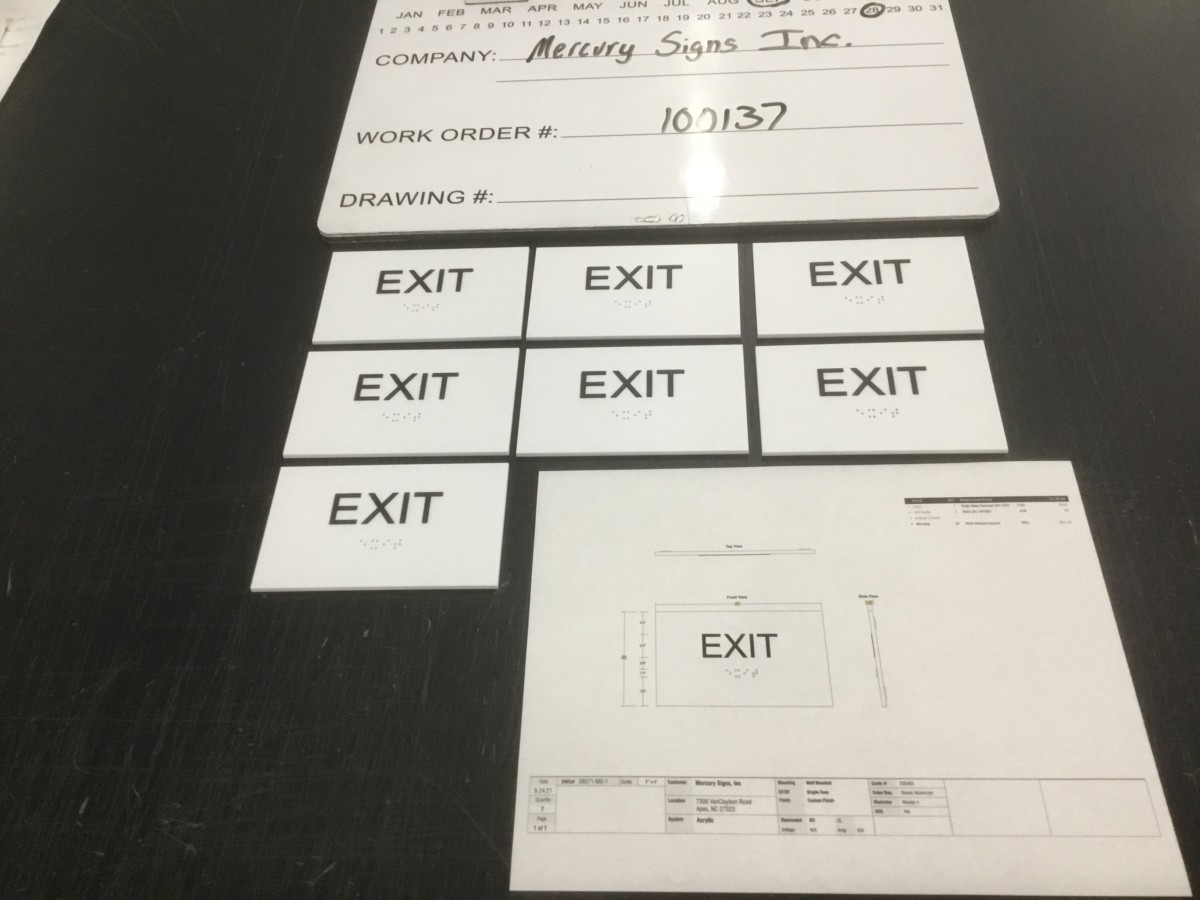
Several outdoor areas on a business property commonly necessitate ADA signs. Parking lots are a primary area of concern. Accessible parking spaces must be clearly designated with the International Symbol of Accessibility and include signage indicating van-accessible spaces where required. Directional signs leading to accessible entrances are also crucial in parking areas and along pathways. Accessible routes, such as ramps and curb ramps, must be identified with ADA signs if the accessible route is not the main route. Exterior restrooms and accessible building entrances require proper ADA signage, including tactile characters and braille for individuals with visual impairments. Even temporary outdoor facilities or events must adhere to ADA sign requirements to ensure inclusivity. Ensuring compliance in these outdoor areas is vital for providing equal access to your business for all members of the community.
How Do Outdoor ADA Signages Differ in Design and Durability from Indoor Signs?
While the core requirements for tactile characters and braille remain consistent, outdoor ADA signages often differ from their indoor counterparts in terms of design and durability to withstand the elements. Outdoor ADA signs need to be constructed from more robust and weather-resistant materials to endure sun exposure, rain, humidity, and temperature fluctuations. Common materials for outdoor ADA signage includes durable plastics, metals like aluminum, and UV-resistant coatings to prevent fading and degradation. The mounting methods for outdoor signs also need to be more secure to withstand wind and potential vandalism.
Design considerations might also differ slightly to ensure higher visibility in outdoor settings, potentially involving larger text sizes or contrasting color schemes that are easily discernible under natural light conditions. Despite these differences in construction and design, outdoor ADA signs must still adhere to the strict guidelines regarding tactile text, braille placement, character height, and non-glare finishes to ensure they are accessible and effective for individuals with disabilities in the outdoor environment of your business.
Ensuring your business is fully accessible means addressing ADA sign requirements both indoors and outdoors. Contact Mercury Signs today for expert guidance on all your ADA sign needs, ensuring compliance and creating a welcoming environment for all customers.
