
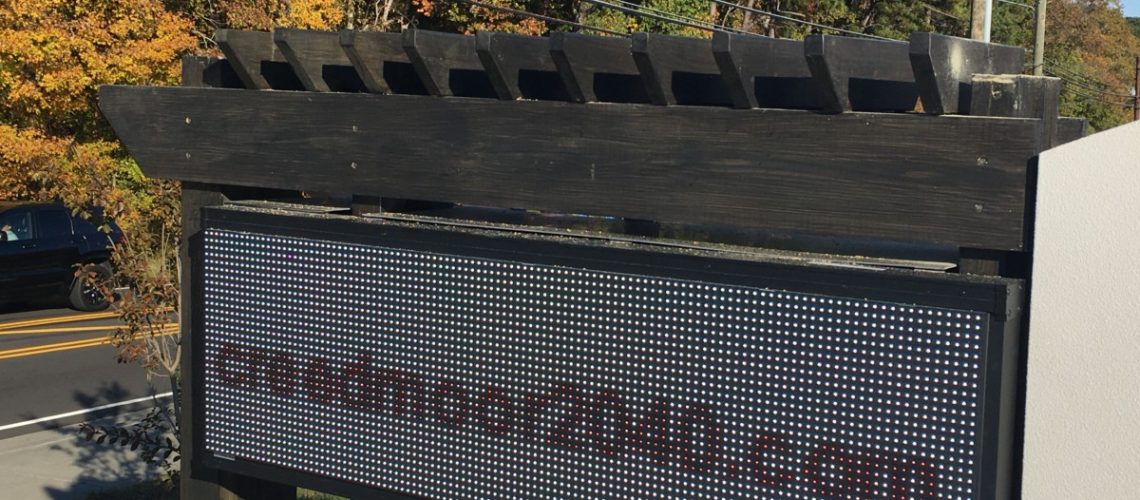
In 2026, the humble signboard has evolved from a static marker to a dynamic, intelligent communication platform. An LED sign is no longer just for visibility; it is an essential tool for real-time customer engagement and operational efficiency. Business owners are quickly adopting new signs that combine stunning visuals with smart, sustainable technology, positioning their brands for success in an increasingly digital world.
How Digital and Interactive LED Signs Are Transforming Customer Engagement

The biggest trend is the shift from passive viewing to active interaction. Digital and interactive LED sign are redefining how businesses connect with their audience, creating memorable, two-way experiences:
- Real-Time, Personalized Content: Advances in digital signage allow for content to be updated instantly and even personalized. Imagine a restaurant menu board displaying dynamic specials based on the time of day, or a retail store’s display rotating promotions based on real-time inventory levels. This flexibility ensures messaging is always fresh, relevant, and hyper-targeted.
- Touch and Gesture Interaction: An interactive LED sign—often in the form of touchscreens or video walls—are moving beyond simple information kiosks. Customers can now browse virtual product catalogs, find personalized recommendations, or complete transactions directly on the display, fostering deeper engagement and increasing time spent in the location.
- Social Media Integration: Many modern LED displays are now designed to integrate social media feeds and user-generated content in real time.
How Energy Efficiency and Smart Technology Are Driving LED Sign Innovations
While visual appeal is critical, the smartest business investment is in technology that reduces operating costs and environmental impact. An LED sign is leading the charge in sustainability:
- Higher Lumens, Lower Watts: Innovations in LED chip technology mean modern signs provide brighter, more vivid displays using significantly less power than previous generations (and drastically less than neon or fluorescent systems). This translates directly into substantial long-term savings on utility bills.
- Smart Sensor Integration: LED signs are becoming part of the Internet of Things (IoT). Built-in sensors and smart controllers allow the signs to automatically adjust brightness based on ambient light conditions, ensuring optimal visibility during the day while reducing power consumption during the night or during low-light hours.
- Remote Management and Data: Cloud-based control systems are standard for new LED signs. This allows business owners to manage content, schedule operating times, and monitor energy usage for multiple signs across various locations from a single dashboard, dramatically simplifying maintenance and optimizing efficiency.
By embracing these trends, business owners ensure their signage not only draws attention but operates efficiently, sustainably, and intelligently, making their initial investment truly future-proof. Connect with Mercury Signs today for a consultation on the best digital and energy-efficient signage solutions for your business!
